Hazel Ying Lee
1912–1944 · American (Chinese-American)
Military ferry piloting
WHY YOU SHOULD KNOW THEM
First Chinese-American woman to fly for the U.S. military, as a WASP (Women Airforce Service Pilots) ferry pilot
THEIR STORY
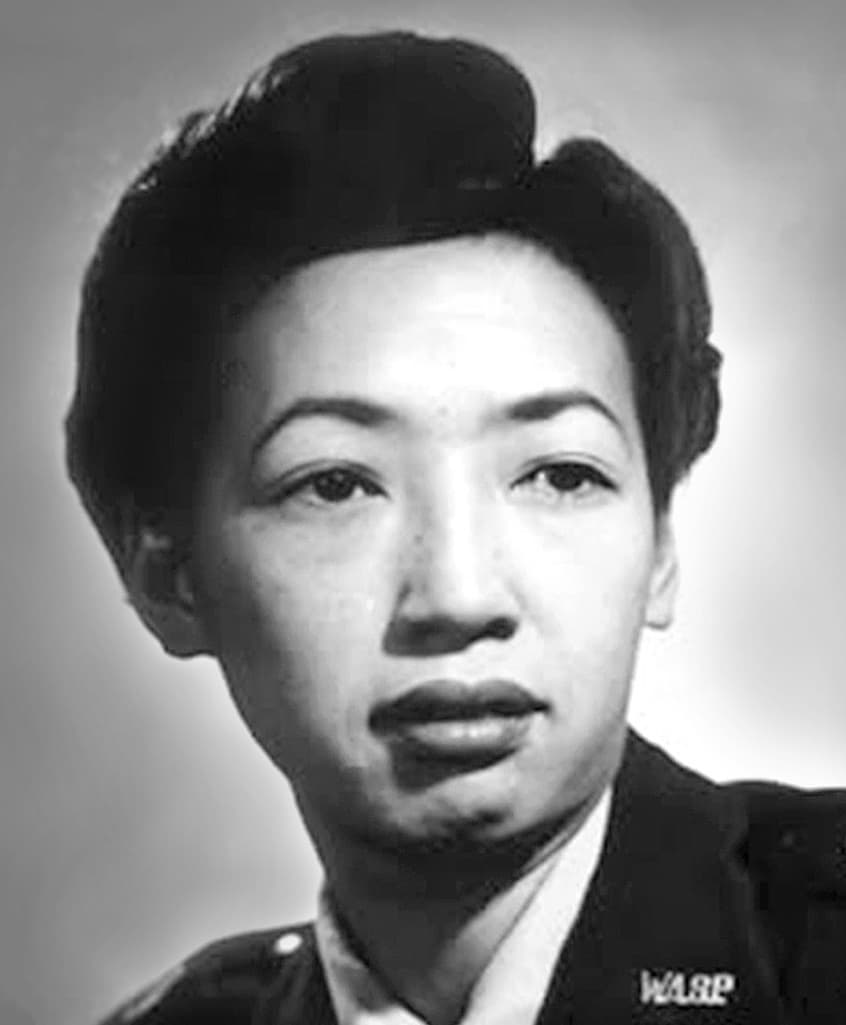
Hazel Ying Lee was born in Portland, Oregon, to Chinese immigrant parents who ran a restaurant in the city's Chinatown. She worked as an elevator operator specifically to fund flying lessons, earning her pilot's license in October 1932. She then traveled to China, hoping to fly for the Chinese Air Force — and was rejected there too, simply for being a woman, the same barrier she would have faced in the United States. She returned to the U.S. and, in 1943, joined the WASP — the Women Airforce Service Pilots — becoming one of only two Chinese-American women in the program, alongside Margaret "Maggie" Gee. As a WASP, her job was ferrying military aircraft between bases and factories, ordinary-sounding work that was genuinely dangerous and freed up male pilots for combat roles overseas. She was known among her fellow WASPs for sharing her Chinese heritage and culture, building real connections across a program that was otherwise almost entirely white. She died on November 25, 1944, in a mid-air collision caused by a control-tower error during a ferry flight — one of 38 total WASP fatalities, and the very last of them, coming just weeks before the WASP program itself was shut down. It would take until 1977 for WASPs to be formally granted military veteran status, recognition that came more than three decades after Lee's death.
WHAT THEY ACTUALLY DID
As a WASP ferry pilot, Lee flew military aircraft directly from factories to military bases, often aircraft she'd never flown before, freeing up male combat pilots for overseas deployment — routine-sounding work that carried genuine, and ultimately fatal, risk.
DID YOU KNOW?
She was rejected by the Chinese Air Force for being a woman before finding a path to fly for the U.S. military instead.She was the last of the WASP program's 38 wartime fatalities, dying just weeks before the program was disbanded.
SOURCES
FAA official history; National Park Service; National WWII Museum
Photo: U.S. Air Force photo illustration/John Turner · Public domain · Source