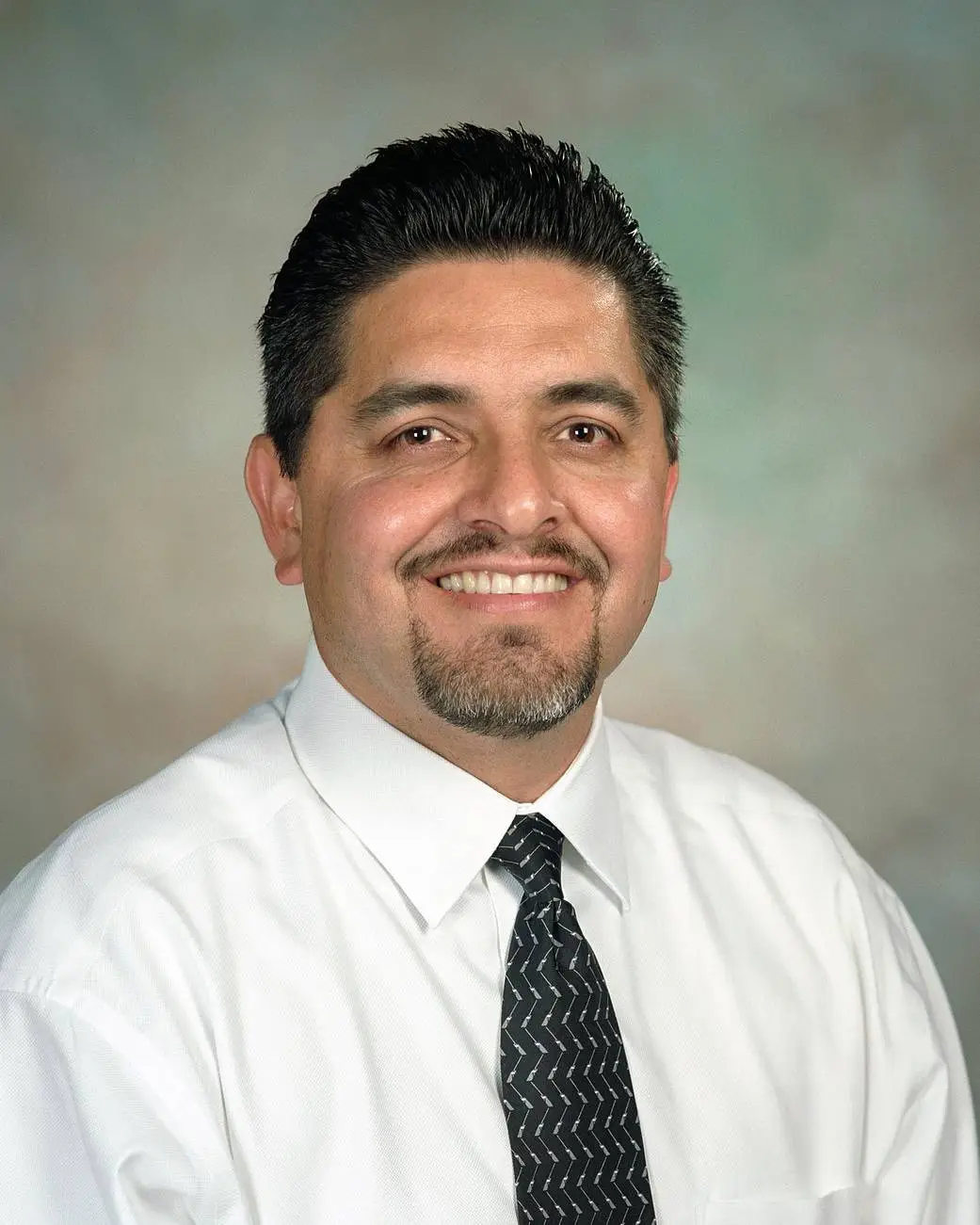
Robert Navarro
b. 20th century · Mexican-American
Unmanned aircraft systems (UAS) engineering
WHY YOU SHOULD KNOW THEM
Project manager for the Altair unmanned aircraft system and chief engineer for solar-electric flying-wing aircraft experiments at NASA
THEIR STORY
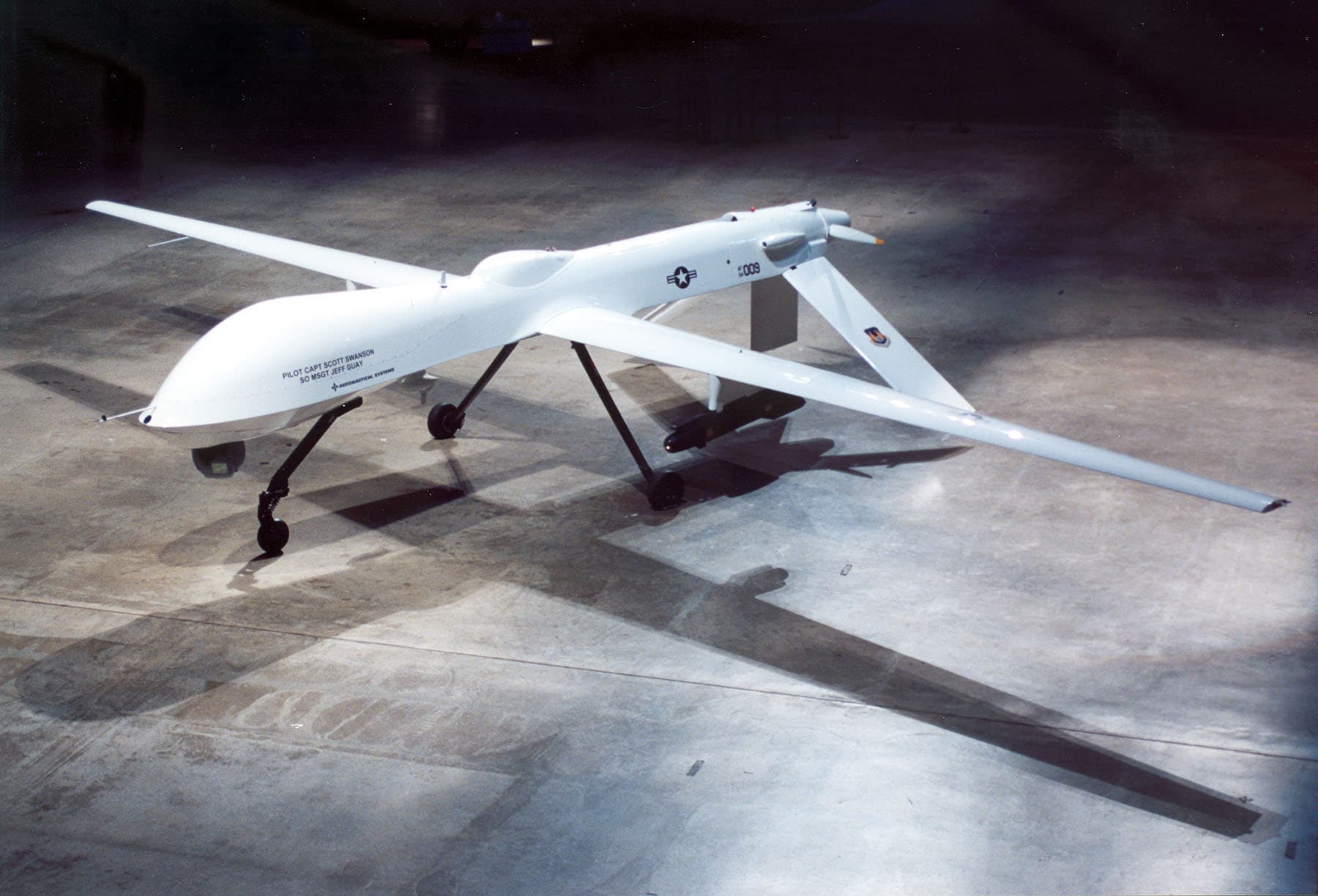
Robert Navarro built his NASA career around two very different but connected challenges: extreme-altitude solar-powered flight, and unmanned aircraft designed for real scientific missions. He began at NASA's Glenn Research Center, working on space shuttle thermal experiments, before moving to NASA's Dryden Flight Research Center (now Armstrong Flight Research Center) in 1995, where the bulk of his career took shape. At Dryden, Navarro served as chief engineer for F/A-18 experiments and for the Helios Prototype — a solar-electric, uncrewed flying wing designed to fly at extremely high altitudes for extended durations, testing what was then a genuinely experimental approach to long-endurance flight without traditional fuel. He also led range and ground-safety operations for flights of the Pathfinder-Plus, another solar aircraft in the same experimental family. His most direct connection to today's drone industry came as project manager for the Altair unmanned aircraft system — a UAS platform NASA used specifically for earth-science missions, applying unmanned flight to genuine scientific data collection rather than military or hobbyist use. That work sits squarely in the same technology space as the drones flown under Part 107 today, just built for a different mission profile. In 2005, the Mexican American Engineers and Scientists organization awarded him its Medalla de Oro in recognition of his career, and a scholarship has since been established in his name to support the next generation of Mexican-American engineering students.
WHAT THEY ACTUALLY DID
As chief engineer and project manager, Navarro was responsible for the technical design, safety planning, and mission execution of experimental unmanned and solar-powered aircraft — making sure genuinely new, previously untested flight technology actually worked safely in real flight tests.
WHAT YOU'RE LEARNING THAT CONNECTS
The Altair program is a direct, real-world example of UAS technology built for a specific mission purpose — earth science — exactly the kind of purposeful drone operation planning covered in Part 107 study.
DID YOU KNOW?
A scholarship for Mexican-American engineering students has been established in his name.He worked on the Helios Prototype, a solar-electric flying wing designed for extremely high-altitude, long-duration flight.
A NOTE ON HISTORICAL UNCERTAINTY
Exact birth date and birthplace were not found in available sources — this profile is built entirely from documented career facts rather than personal biographical details.
SOURCES
NASA news release, Dryden/Armstrong Flight Research Center
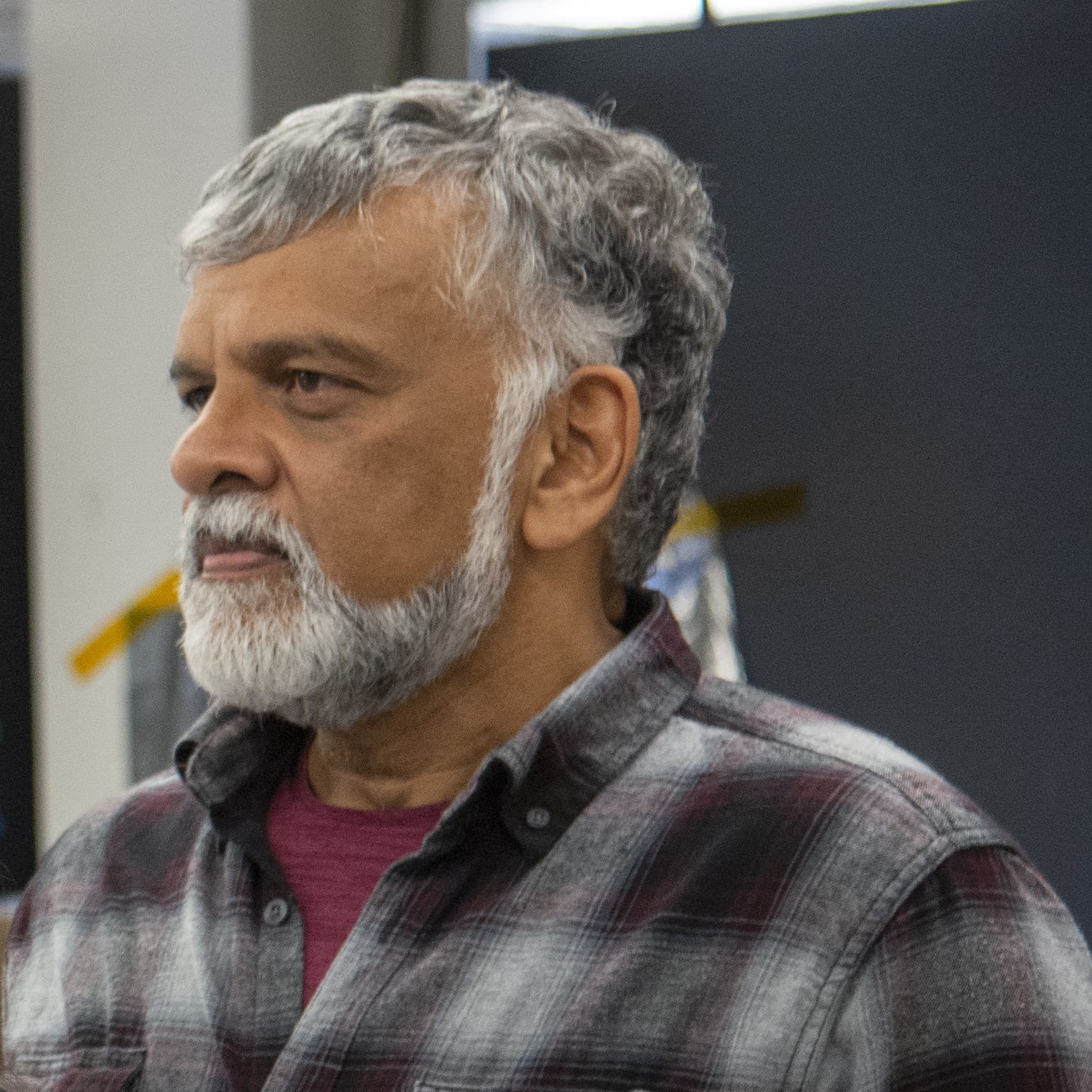
Photo: NASA Photo / Tom Tschida · Public domain (U.S. federal government work) · Source