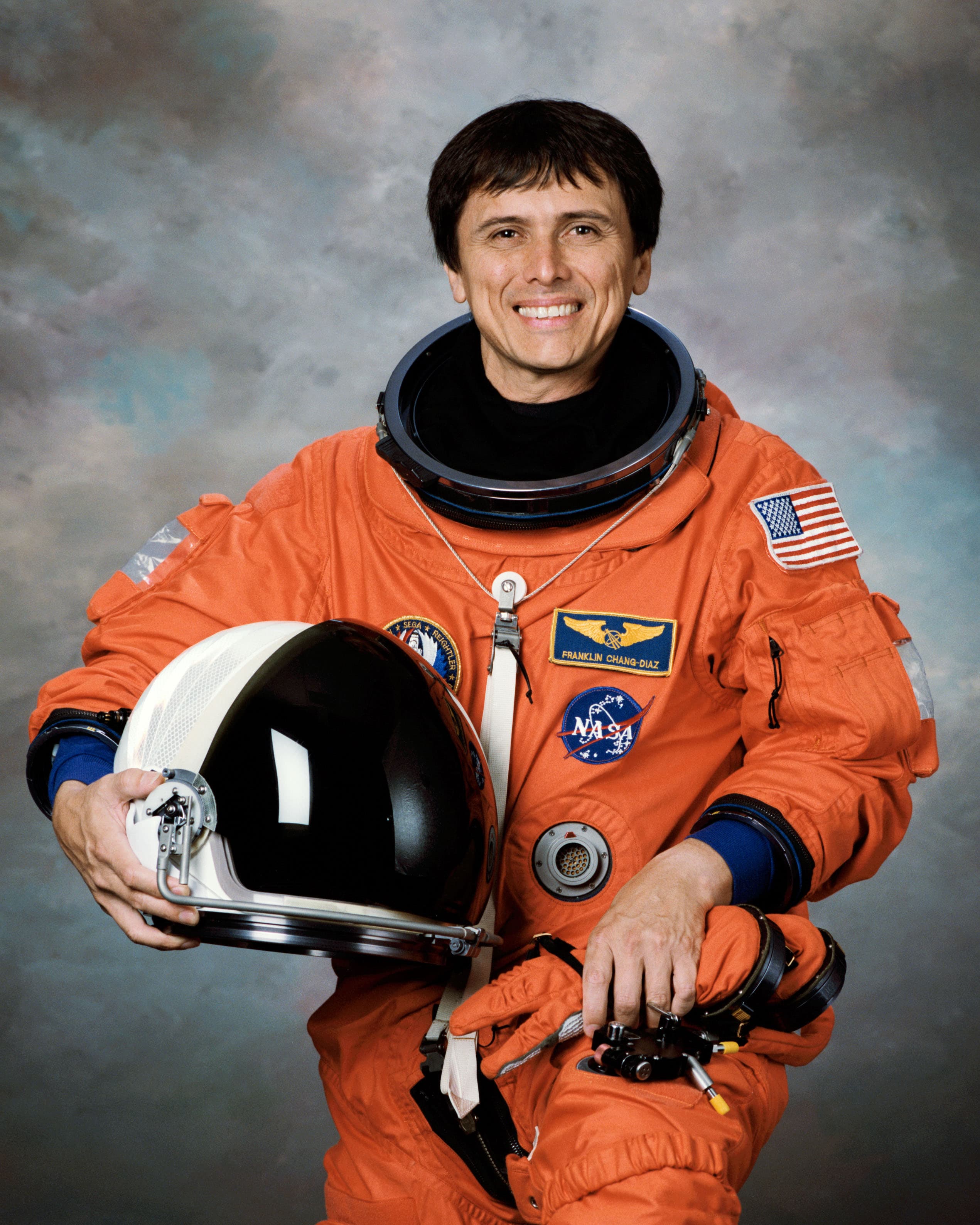
Franklin Chang-Díaz
b. 1950 · Costa Rican (naturalized U.S. citizen)
Plasma physics and spaceflight
WHY YOU SHOULD KNOW THEM
Flew seven Space Shuttle missions (tied for the most of any astronaut) and later developed the VASIMR plasma rocket engine
THEIR STORY
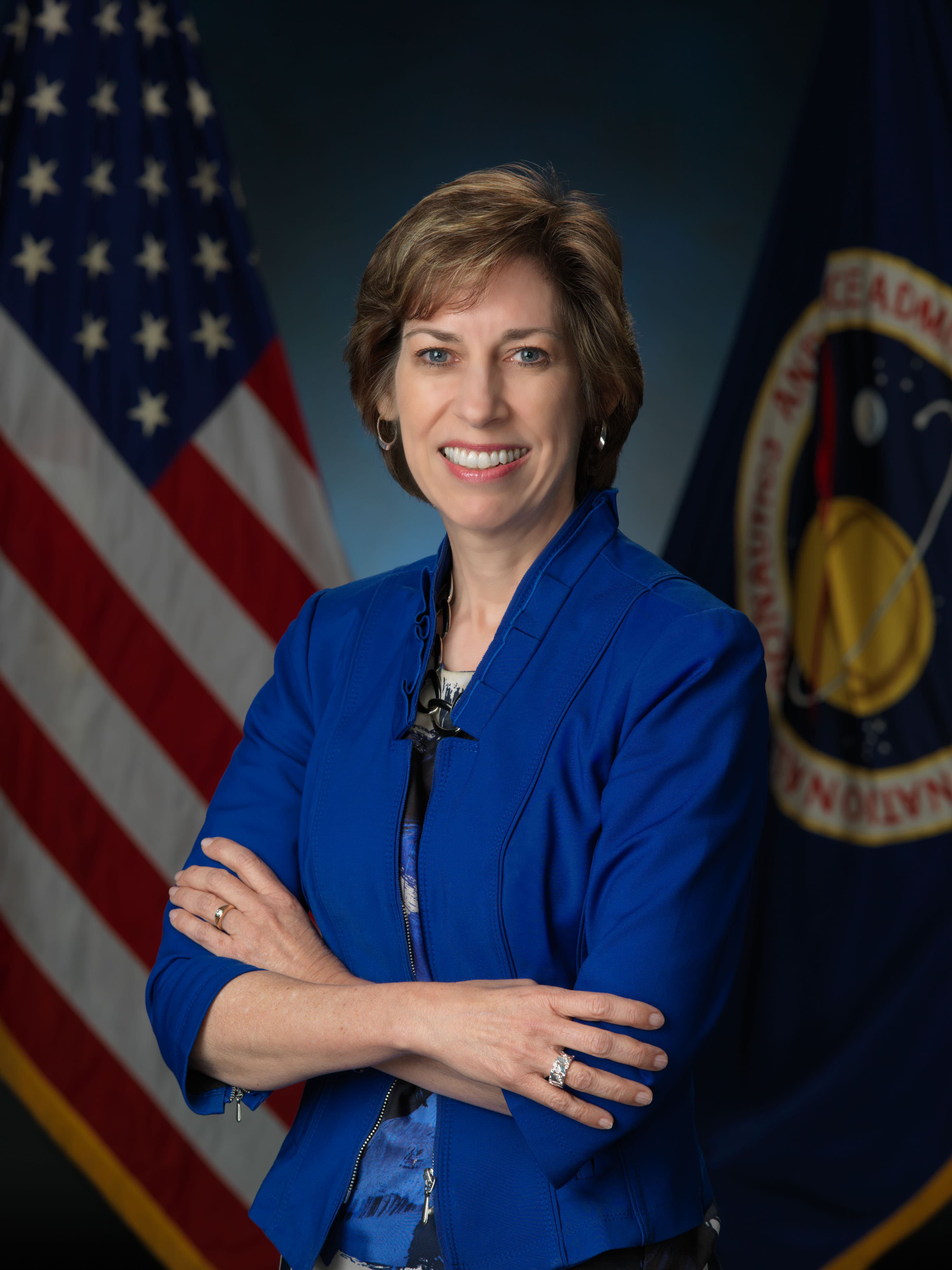
Franklin Chang-Díaz was born in San José, Costa Rica — not Mexico, a distinction worth keeping precise, since Costa Rican and Mexican heritage are genuinely different national and cultural backgrounds even though both fall under the broader "Latino" umbrella. His father worked in the oil industry; his own grandfather had fled China during the Boxer Rebellion, adding a Chinese immigrant thread to his Costa Rican family history. He earned a bachelor's degree in Mechanical Engineering from the University of Connecticut, then a Ph.D. in Applied Plasma Physics from MIT in 1977, becoming a naturalized U.S. citizen that same year. NASA selected him as an astronaut in 1980, making him the third Latin American in space and the first Latin American immigrant to become a NASA astronaut. His flying career was extraordinary in its sheer length: he flew seven Space Shuttle missions between 1986 and 2002 (STS-61-C, 34, 46, 60, 75, 91, and 111), a total tied for the most spaceflights of any astronaut as of 2021. On STS-111, he completed three spacewalks to help construct the International Space Station. Across his career he logged over 66 days in space. He retired from NASA in 2005 and founded Ad Astra Rocket Company, where he now serves as CEO, developing the VASIMR engine — a plasma-based rocket propulsion system that uses superheated, ionized gas instead of traditional chemical combustion to generate thrust. It's real engineering, not science fiction: the theoretical goal is a spacecraft that could reach Mars in as little as 39 days, far faster than current chemical rockets allow. He also teaches as an adjunct professor at Rice University and was inducted into the NASA Astronaut Hall of Fame in 2012.
WHAT THEY ACTUALLY DID
Plasma physics research applies directly to rocket propulsion: instead of burning chemical fuel, a plasma rocket heats an ionized gas to extreme temperatures and directs it out a nozzle for thrust — a genuinely different engineering approach that could make deep-space travel dramatically faster.
WHAT YOU'RE LEARNING THAT CONNECTS
VASIMR is a real, current example of propulsion engineering pushing past the chemical-rocket fundamentals most students first learn — a reminder that propulsion technology is still actively evolving, not a solved problem.
DID YOU KNOW?
He is tied for the record for the most spaceflights of any astronaut in history, with seven Space Shuttle missions.His grandfather fled China during the Boxer Rebellion and settled in Costa Rica, adding a Chinese immigrant thread to his family history.
SOURCES
Wikipedia, citing NASA biography, Current Biography Yearbook
Photo: NASA · Public domain · Source